Medical Weight Loss at A Brighter Future Healthcare Services
Science-Backed. Physician-Guided. Personally Tailored.
Weight loss is not simply about willpower—it is driven by hormones, metabolism, insulin response, appetite signaling, and energy balance. Many people do “everything right” and still struggle due to biological resistance to weight loss.
At A Brighter Future Healthcare Services (ABF), we offer medically supervised weight-loss therapies that address the root causes of weight gain—not just the number on the scale. Every treatment is prescribed only after a clinical evaluation and is monitored for safety, effectiveness, and long-term sustainability.
GLP-1 & Metabolic Weight-Loss Medications
(Wegovy®, Ozempic®, Mounjaro®, Semaglutide)
Purpose
These medications are designed to help patients who struggle with:
Persistent hunger and cravings
Difficulty controlling portions
Insulin resistance or metabolic slowdown
Weight regain after dieting
Obesity or medically significant weight challenges
They work by supporting the body’s natural appetite-regulating hormones, allowing patients to eat less without feeling deprived.


How These Medications Work (Simple Explanation)
GLP-1–based medications:
Slow stomach emptying so you feel full longer
Reduce hunger signals sent to the brain
Improve insulin sensitivity and blood sugar balance
Decrease food “noise” and impulsive eating
The result is gradual, consistent weight loss that feels manageable and sustainable.
Wegovy® (Injection & Oral Pill Option)
Primary Use: Long-term medical weight management
How It Helps:
Strong appetite suppression
Reduced cravings and emotional eating
Supports steady fat loss over time
Best For:
Patients seeking long-term weight loss
Individuals with obesity or chronic weight struggles
Those who want structured, ongoing support
Application:
Administered weekly (injection or approved oral option)
Gradual dose escalation to minimize side effects
Requires routine follow-ups and progress monitoring

Ozempic®
Primary Use: Appetite regulation and metabolic support
How It Helps:
Enhances satiety (feeling full sooner)
Reduces appetite between meals
Supports glucose and insulin balance
Best For:
Patients with metabolic resistance
Individuals who struggle with portion control
Those needing appetite regulation as part of a broader plan
Application:
Weekly injection
Doses adjusted based on tolerance and response
Often paired with lifestyle and nutrition guidance
Mounjaro®
Primary Use: Advanced appetite and metabolic control
How It Helps:
Dual hormone action for appetite suppression
Improves insulin response
May lead to significant weight reduction over time
Best For:
Patients with stronger appetite signals
Individuals with metabolic challenges
Those who have struggled with other approaches
Application:
Weekly injection
Close medical monitoring recommended
Structured dose titration to support comfort and safety
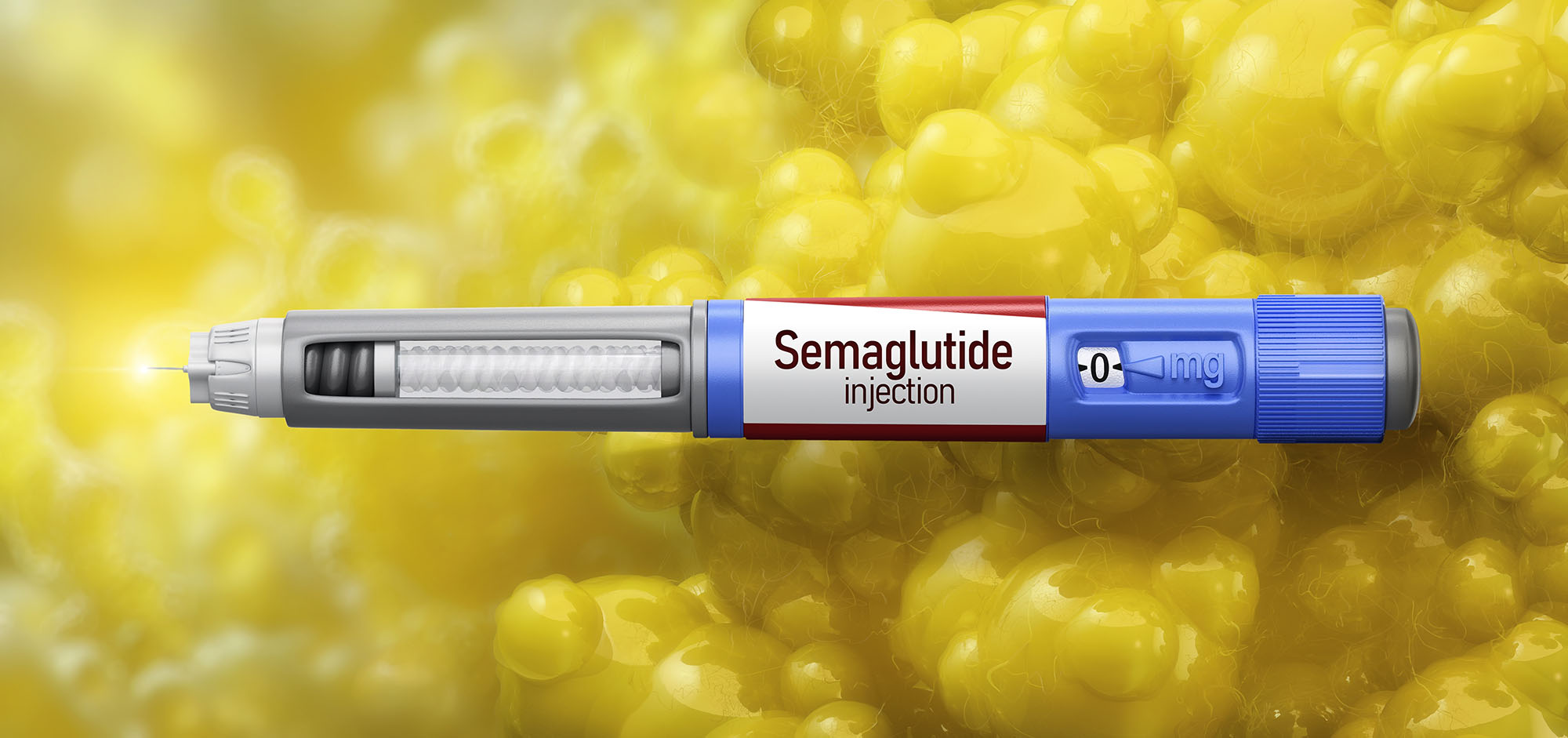
Semaglutide (Medical-Grade)
Primary Use: Clinician-guided weight loss support
How It Helps:
Reduces hunger
Improves meal satisfaction
Supports steady caloric reduction
Best For:
Patients seeking GLP-1 benefits in a monitored setting
Individuals new to medical weight-loss therapy
Application:
Weekly administration
Dose adjusted based on response
Requires ongoing provider oversight
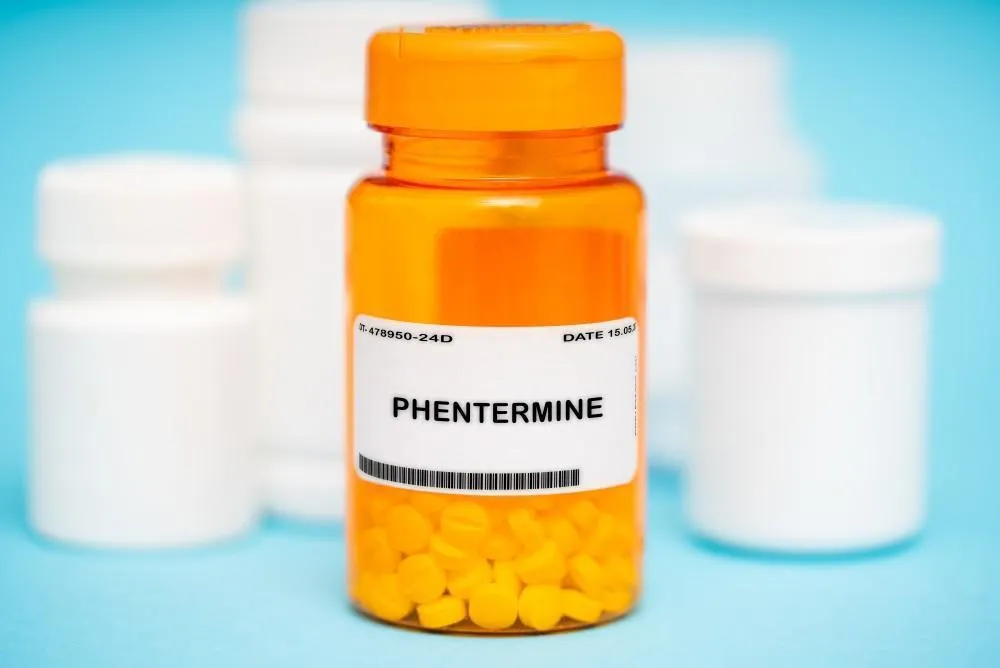
Phentermine
Primary Use: Short-Term Appetite Suppression
Purpose: Phentermine is used to jump-start weight loss by reducing appetite and increasing focus during the early phase of a weight-loss program.
Benefits:
Decreased hunger
Reduced snacking and cravings
Increased motivation and energy
Best For:
Short-term weight-loss acceleration
Patients without contraindications
Those needing initial momentum
Application:
Oral medication
Prescribed for limited durations
Requires blood pressure and symptom monitoring
*Phentermine is not intended for long-term use and is carefully prescribed.

Lipo Shots (Lipotropic Injections)
Primary Use: Metabolic & Energy Support
Purpose: Lipo shots provide vitamins and nutrients that support fat metabolism and energy production.
Benefits:
Encourages fat breakdown
Helps combat fatigue
Supports liver function
Enhances results when combined with other therapies
Best For:
Patients experiencing low energy
Individuals combining medications with lifestyle changes
Those wanting additional metabolic support
Application:
Quick in-office injections
Can be used weekly or bi-weekly
Often paired with GLP-1 medications
What Makes ABF Different?
Individualized medication selection
Physician-guided evaluations
Ongoing dose adjustments
Integrated wellness support (IV hydration, vitamin injections, counseling)
Focus on long-term success, not quick fixes
We prioritize education, safety, and sustainability—because lasting weight loss requires more than a prescription.

Start With a Medical Weight-Loss Consultation
Your journey begins with a comprehensive evaluation where we
Review your health history
Assess metabolic and lifestyle factors
Determine which therapies are appropriate
Build a customized, achievable plan

GLP-1 Medications (Wegovy®, Ozempic®, Mounjaro®, Semaglutide)
Frequently Asked Questions
What is the purpose of GLP-1 medications?
GLP-1 medications help regulate appetite, slow digestion, and improve metabolic signaling so patients naturally eat less and feel satisfied longer. They are intended for individuals who struggle with hunger, cravings, or metabolic resistance despite lifestyle changes.
How quickly will I see results?
Many patients notice appetite changes within the first few weeks. Weight loss is gradual and accumulates over several months, with best results occurring when the medication is combined with nutrition and lifestyle support.
Will I need to take this forever?
Not necessarily. Some patients use GLP-1 therapy long-term, while others transition off after reaching metabolic stability. This decision is made with your provider based on progress and goals.
Are injections painful?
Most patients report minimal discomfort. The injections are small, quick, and designed for weekly use.
What are common side effects?
Side effects may include nausea, bloating, constipation, or reduced appetite—most commonly during dose increases. These typically improve as the body adjusts.
Contraindications & Cautions (Not a Full List)
GLP-1 medications may not be appropriate for individuals who:
Have a personal or family history of medullary thyroid cancer
Have Multiple Endocrine Neoplasia syndrome (MEN 2)
Are pregnant or breastfeeding
Have severe gastrointestinal conditions
Have known hypersensitivity to ingredients
A medical consultation is required to determine eligibility.
Phentermine
Frequently Asked Questions
What is Phentermine used for?
Phentermine is a short-term appetite suppressant used to help patients reduce hunger and gain early momentum in a weight-loss program.
Is it meant for long-term use?
No. Phentermine is typically prescribed for limited durations and is not intended as a long-term solution.
How does it feel?
Some patients report increased energy or focus. Others may experience dry mouth or mild restlessness.
Is it addictive?
When prescribed and monitored appropriately, risk is minimized. ABF carefully evaluates suitability and duration.
Contraindications & Cautions
Phentermine may not be appropriate for individuals with:
Uncontrolled high blood pressure
Heart disease or arrhythmias
History of substance misuse
Glaucoma
Hyperthyroidism
Pregnancy or breastfeeding
Lipo Shots (Lipotropic Injections)
Frequently Asked Questions
What is the purpose of Lipo shots?
Lipo shots support fat metabolism and energy production using vitamins and nutrients that assist liver function and metabolic efficiency.
Do Lipo shots cause weight loss on their own?
They support weight loss but are most effective when combined with lifestyle changes or other medical therapies.
How often are they given?
Typically weekly or bi-weekly, depending on goals and response.
Contraindications & Cautions
Lipo shots may not be suitable for individuals with:
Known allergies to injectable vitamins
Certain metabolic or liver conditions
Pregnancy (case-dependent)